Hong Kong to Boost Competitiveness with Phased Digital Education Rollout in Schools“Human-Centric, Machine-Assisted” Approach Emphasised
Hong Kong to Boost Competitiveness with Phased Digital Education Rollout in Schools“Human-Centric, Machine-Assisted” Approach Emphasised
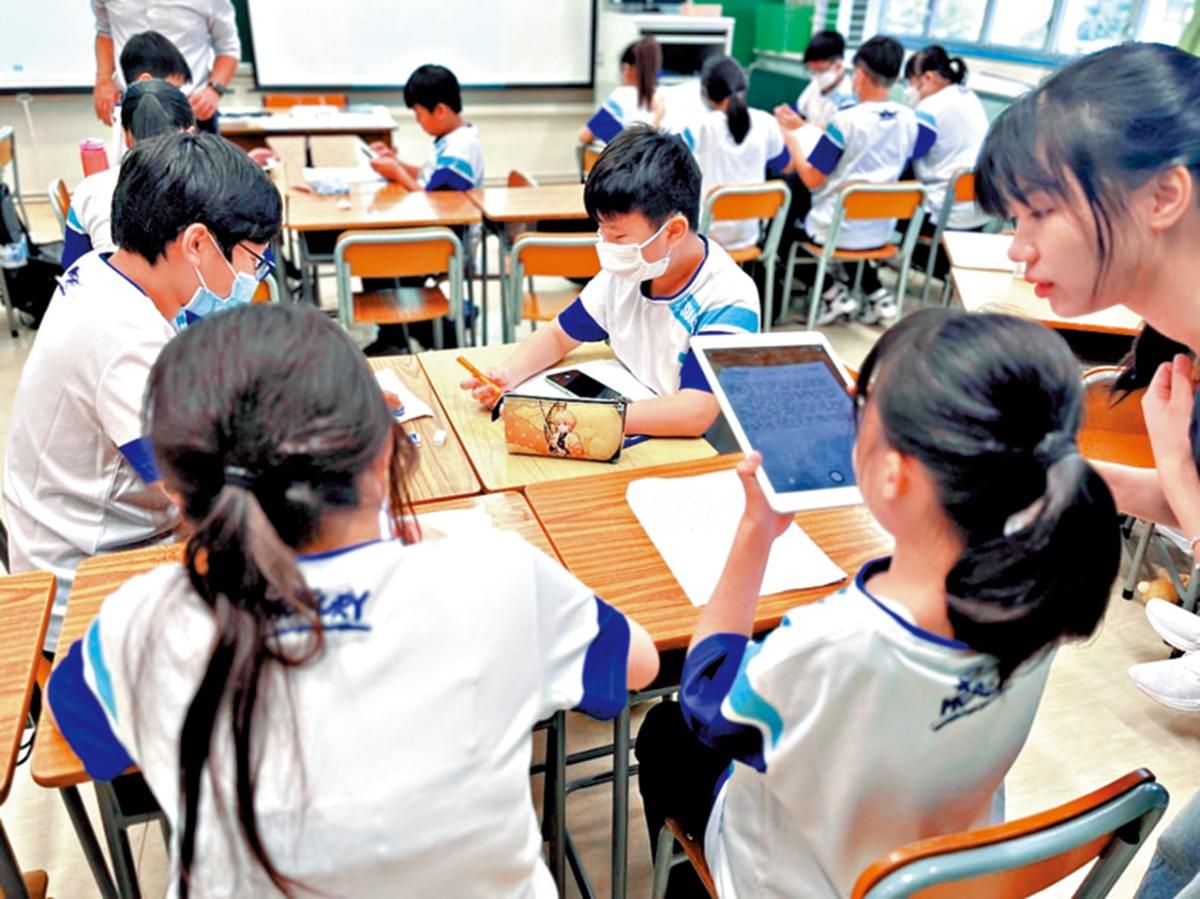
The digital transformation of education is a critical strategy to enhance Hong Kong’s long-term educational competitiveness, the Education Bureau said.
Secretary for Education Choi Yuk-lin announced that the Bureau will advance the Development Blueprint for Digital Education in Primary and Secondary Schools in stages. The first phase will focus on comprehensive school planning and teacher training, with a full review of implementation outcomes scheduled for 2027–2028.
The government is firmly committed to the core principle of **“Human-Centric, Machine-Assisted”**. Unlike some countries that have opted to ban AI use among primary and secondary students outright, Hong Kong will instead focus on building students’ digital and AI literacy while teaching them to use technology responsibly and with self-discipline. This approach aims to address the root issues rather than relying on prohibition, which may only offer temporary solutions.
The curriculum will continue to strengthen essential foundational skills such as reading and writing, maintaining a balanced emphasis on both e-learning and traditional basic training. Examination and assessment systems will also progressively move towards electronic formats. The Territory-wide System Assessment (TSA) will serve as the initial pilot, followed by phased trials of electronic DSE (Diploma of Secondary Education) examinations tailored to the specific needs of individual subjects. The changes are expected to speed up feedback on student performance, facilitate more personalised teaching adjustments, and will be supported by strict safeguards for system stability and data privacy.
On the resources front, the HKSAR Government has relaxed the cap on frozen teacher posts under the school efficiency grant to 10%. The freed-up funding will be used to procure AI teaching resources and hire additional teaching support staff. These measures aim to “break down walls and loosen constraints,” giving schools greater flexibility to reallocate resources and invest more effectively in digital education.