Nipah Virus Outbreak in West Bengal
Nipah Virus Outbreak in West Bengal
5 Confirmed Cases, High Fatality, No Cure
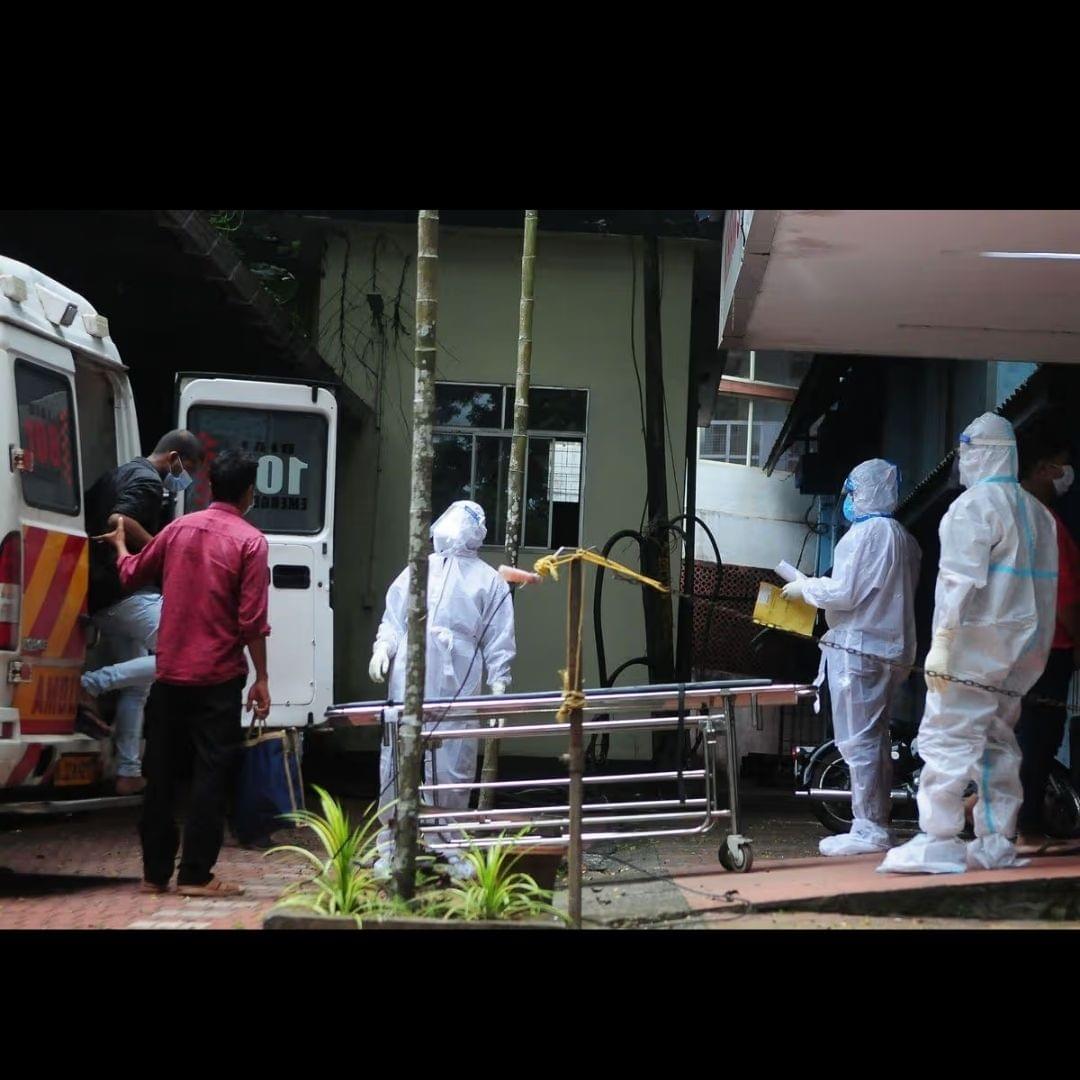
West Bengal, India, has reported five confirmed Nipah virus (NiV) cases in an ongoing outbreak. The zoonotic virus, carried by fruit bats, has a high fatality rate of 40–75% and no specific vaccine or treatment exists.
Transmission occurs mainly through contact with infected animals' respiratory droplets, secretions, or tissues, or by consuming bat-contaminated food like raw date palm sap, fruits, or fruit products. Human-to-human spread happens via close contact with an infected person's bodily fluids, often in households or healthcare settings.
Symptoms usually appear 4–14 days after exposure (up to 45 days), starting with fever, headache, and vomiting, then progressing to dizziness, drowsiness, encephalitis, seizures, or coma. Severe cases can lead to pneumonia or rapid deterioration within 24–48 hours.
Treatment is limited to supportive care. Survivors may face long-term neurological issues, including persistent seizures, personality changes, or rare delayed encephalitis months or years later.
Prevention focuses on avoiding contact with bats and sick animals, practising strict hand hygiene, thoroughly washing/peeling fruits, and avoiding raw date palm sap or unpasteurised juices.
The virus inspired elements of the Netflix series The Pandemic Century, where a mysterious encephalitis-like illness mirrors real Nipah cases.
Health authorities urge vigilance, early symptom reporting, and strict preventive measures in affected areas.